chairus Counter Stools

Will Your Counter Stools Protect the Floor Under Daily Use?

Kitchen island stools get dragged, tilted, spun, and pushed in every day, often across hardwood, vinyl, tile, or laminate. The wrong feet or an unstable frame can leave scratches, dents, scuffs, wobble marks, and noise. To choose no-scratch counter stools, check the floor surface, seat height, contact points, frame stability, swivel needs, and maintenance habits before you buy.

Chairus carries 96 counter and bar stool options, including upholstered, wood, metal, swivel, backless, and 26–30 inch styles. Use the collection to compare kitchen island stools that won’t scratch floors by material, height, and in-stock availability.

Chairus Counter & Bar Stools

1: Match No-Scratch Counter Stools to Your Floor Type

Floor-safe counter stools start where the stool touches the floor. A beautiful seat can still damage a surface if the foot is narrow, rough, metal-edged, or packed with grit.

What to do

  • Hardwood: use felt or soft nylon glides with clean, wide contact.
  • Tile: use rubber or nylon feet to reduce tapping noise.
  • Vinyl or laminate: choose wide, non-staining protectors; avoid dark rubber transfer.
  • Glossy floors: inspect feet for burrs before first use.

The National Wood Flooring Association recommends frequent sweeping or microfiber dusting because grit is a major cause of wear on wood floors.

2: Measure Counter Height and Pick the Right Seat Height

Measure from the floor to the underside of the counter, then leave about 9–12 inches of leg clearance. For a common 36-inch counter, a 24–27 inch seat height usually works well.

What to check

  • Counter height: floor to underside.
  • Overhang depth: enough knee room.
  • Walkway: keep about 36 inches where people pass.
  • Seat spacing: allow elbow room between stools.

3: Choose a Stable Frame That Reduces Dragging

A stable stool protects floors because users do not need to keep shifting it. Look for balanced legs, a firm footrest, and hardware you can re-tighten.

What to do

  • Prioritize 250–300 lb rated stools for daily use.
  • Choose solid wood, engineered wood, metal, or wood-metal frames.
  • Check that all four feet sit flat before use.
  • Tighten screws after the first week, then monthly.

The Consumer Product Safety Commission reports that furniture instability is a serious home safety issue, so stability matters for both floors and people.
4: Decide Between Swivel vs Fixed Counter Stools

Swivel vs fixed counter stools depend on traffic. Fixed stools have simpler contact points, while swivel stools can reduce scraping when people turn instead of pulling the stool backward.

Best fit

  • Choose fixed: narrow walkways, simple use, fewer moving parts.
  • Choose swivel: entertaining, family kitchens, TV-facing islands.
  • Avoid: loose swivel hardware, rocking bases, sharp metal feet.

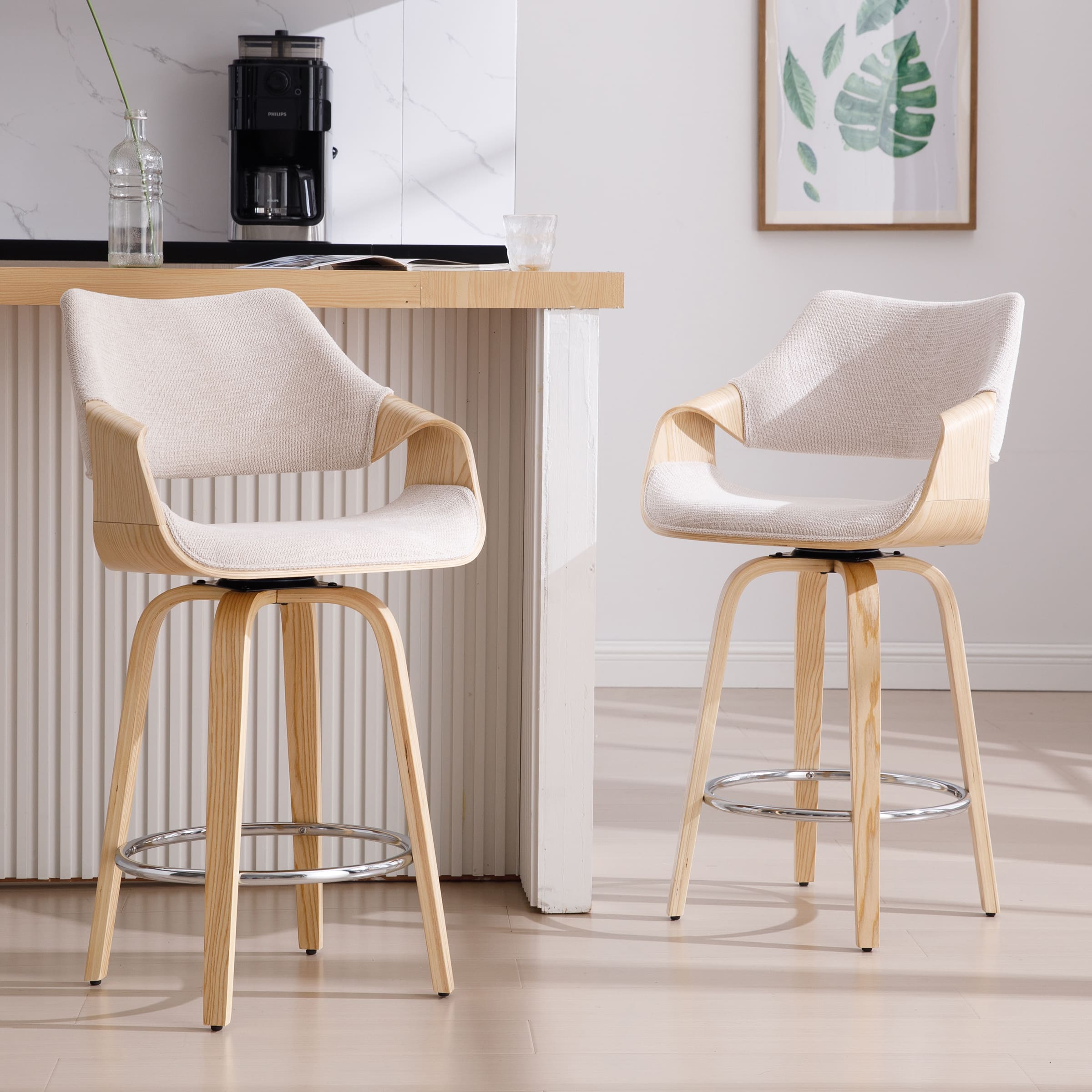
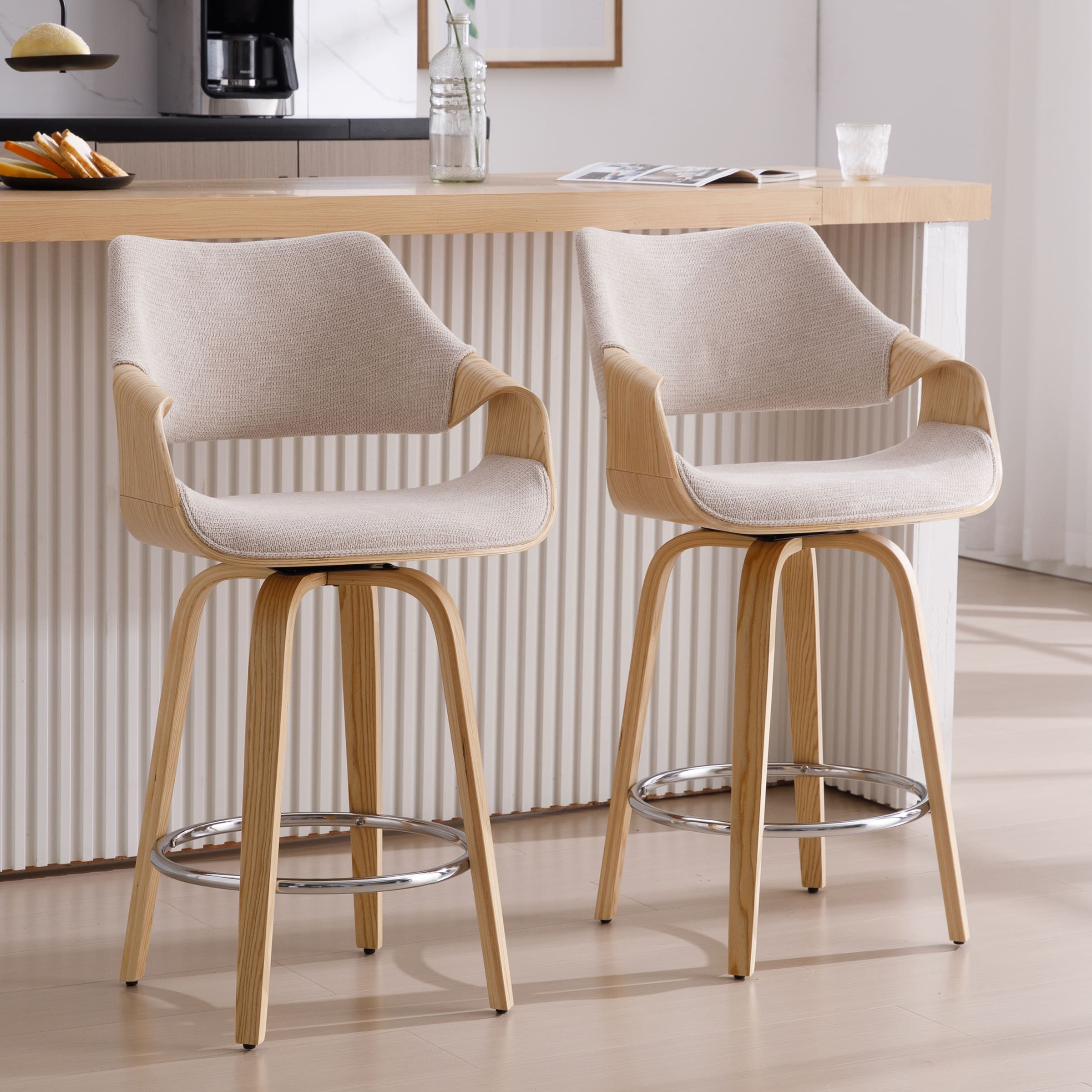
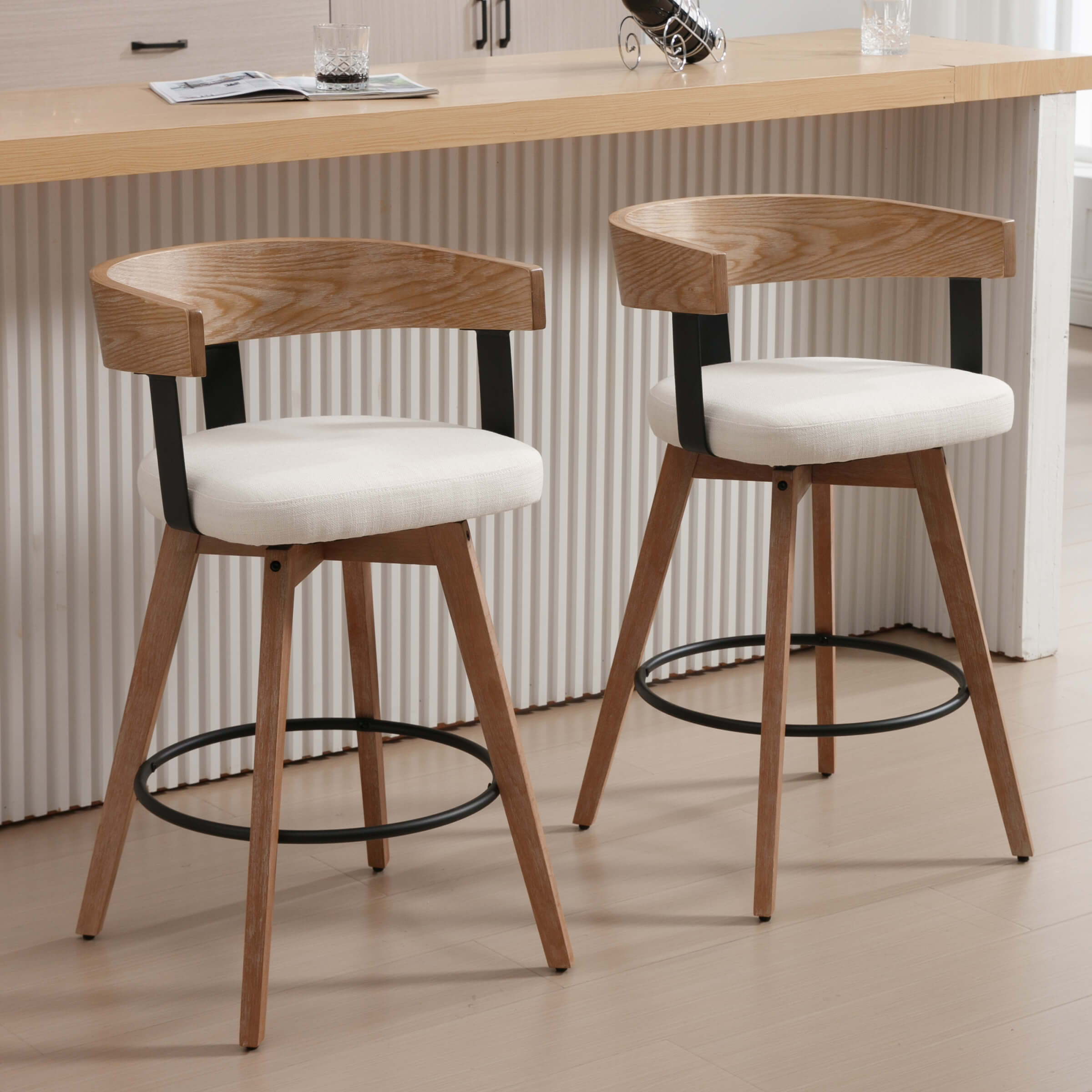
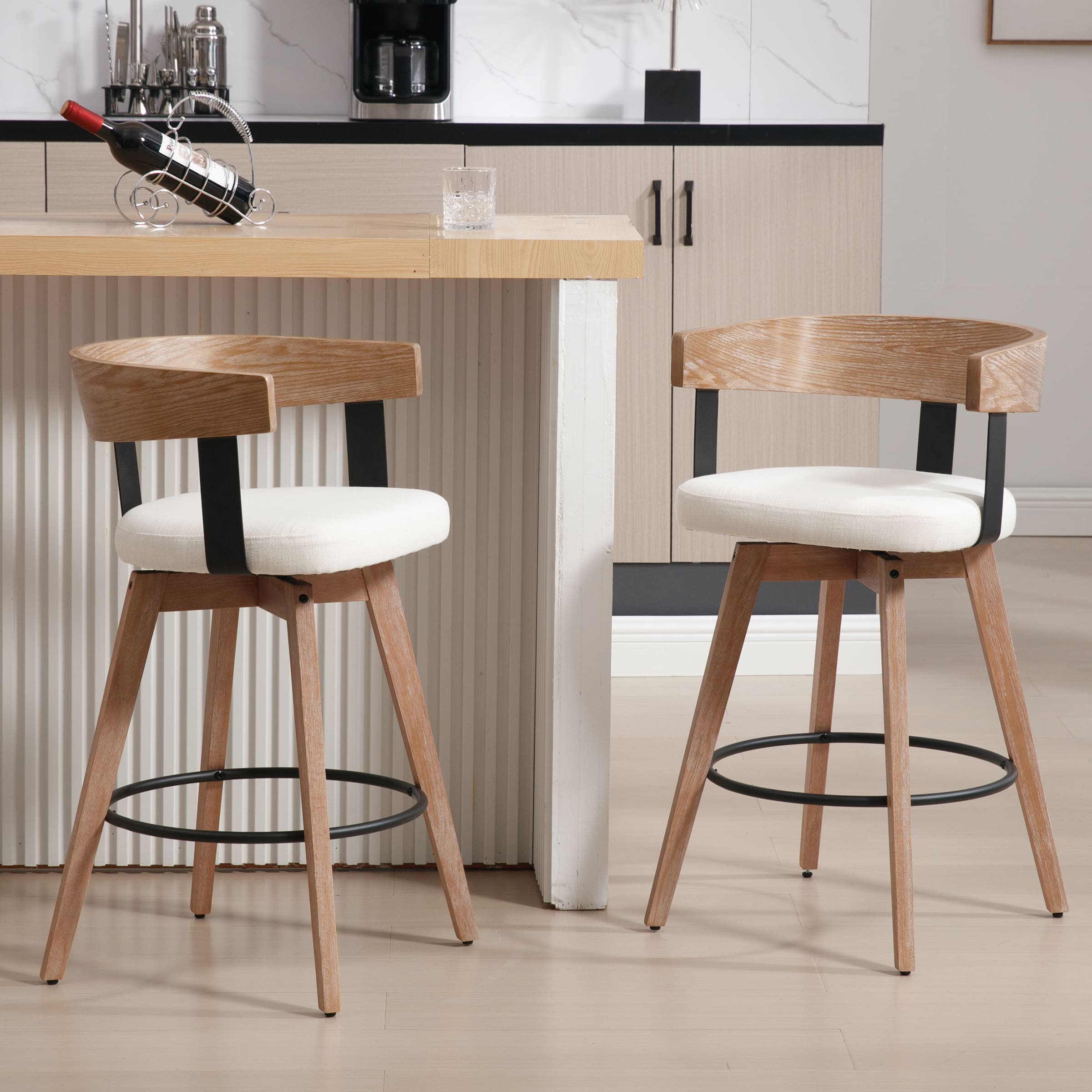
The Chairus 26"H Modern Barrel Swivel Counter Stools Set of 2 - 3075CS includes a 360-degree rotation device, engineered solid wood frame, 26-inch seat height and four adjustable footstools that help stabilize the stool and protect the floor surface.

Buy Now

5: Check Upholstery, Backrest, and Footrest for Daily Comfort

Comfort affects floor safety more than many buyers expect. If the seat is too hard, too low, or missing a footrest, people scoot, lean, and drag the base more often.

What to choose

  • Padded seats for breakfast, homework, and long conversations.
  • Wipeable PU for spills; linen or chenille for softer texture.
  • Backrests for longer sitting sessions.
  • Footrests that keep shoes off lower chair legs.

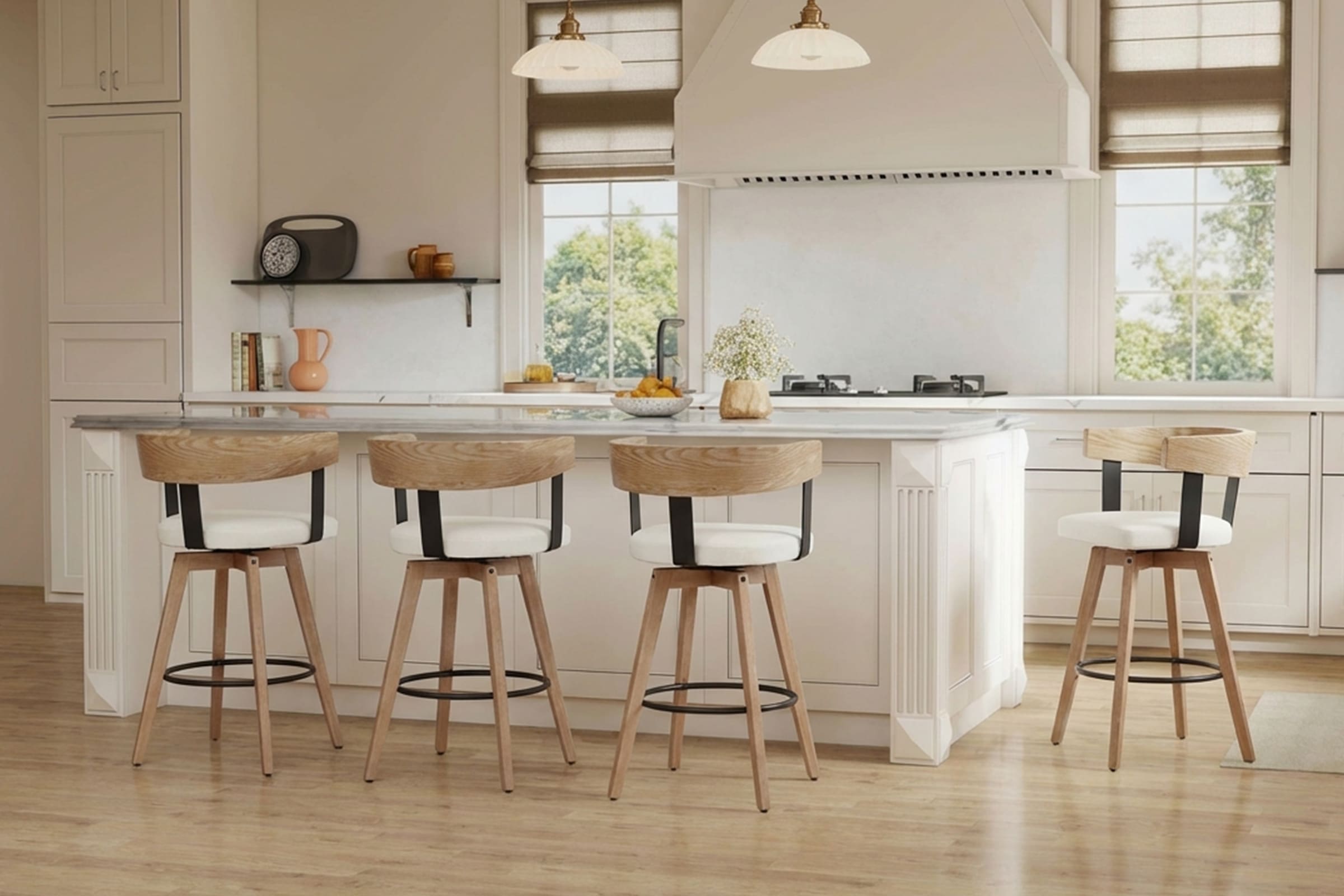
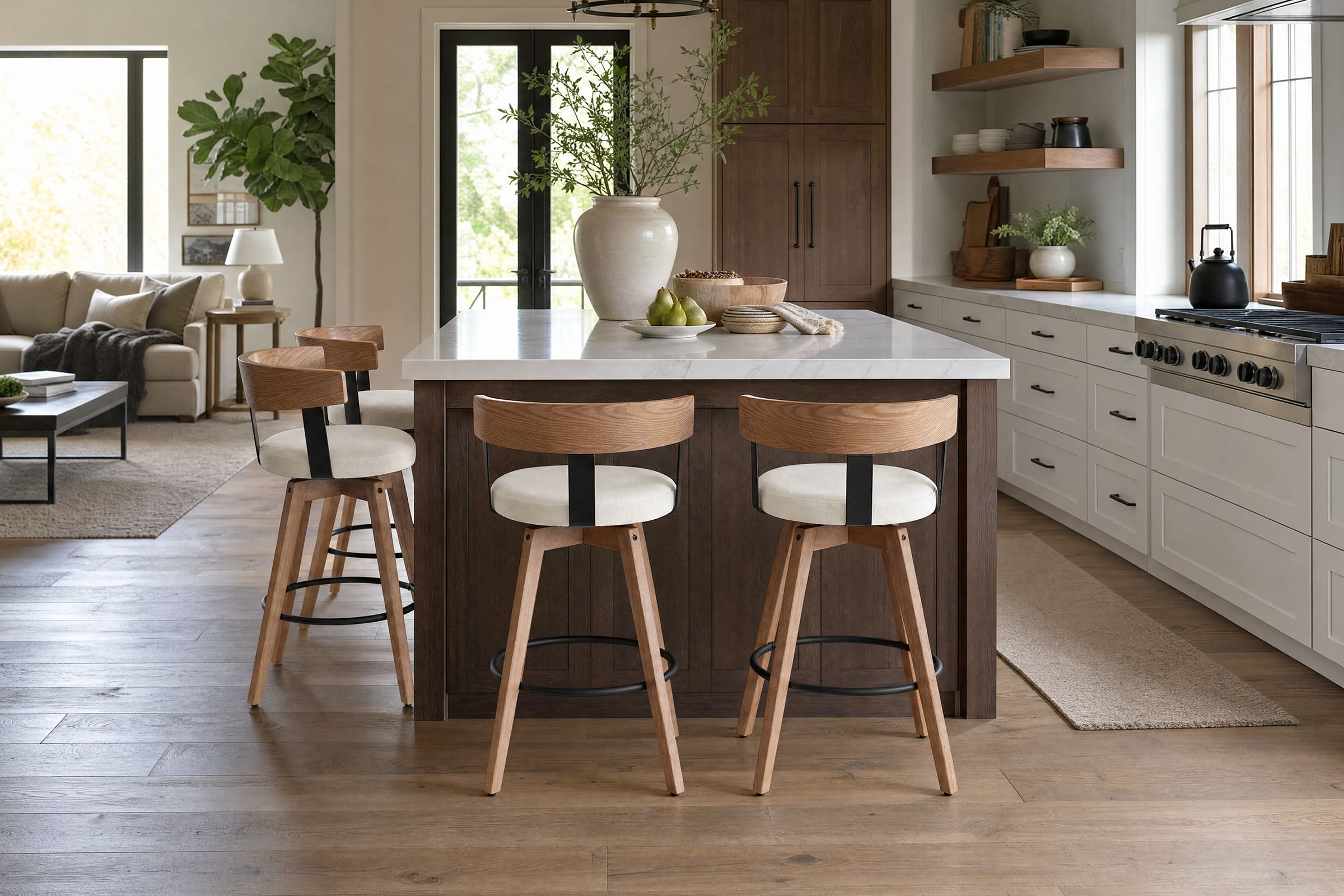
The Chairus 26"H Swivel Wooden Backrest Counter Height Counter Stool - 3193CS has a 26.25-inch seat height, 360-degree swivel, footrest, wood-metal frame, linen seat, and 300-lb capacity.

Buy Now

6: Maintain No-Scratch Counter Stools After Assembly

Even floor-safe counter stools can scratch if pads wear down or dirt collects under the feet. Build the routine before damage appears.

Weekly and monthly care

  • Wipe stool feet weekly.
  • Vacuum grit around the island.
  • Replace flattened felt pads early.
  • Tighten bolts monthly in busy kitchens.
  • Lift stools when deep cleaning.

Final Check Before You Buy

The best kitchen island stools that won’t scratch floors combine correct height, smooth contact points, stable construction, comfort, and regular care. Before ordering, measure your counter, match the glide material to the floor, and decide whether swivel movement will reduce pulling in your kitchen.

FAQ

How do I pick counter stools that won't scratch my floors?

Choose stools with smooth feet, stable frames, correct seat height, and replaceable felt, rubber, or nylon glides. Match the glide to your floor: felt for hardwood, non-marking rubber or nylon for tile, and wide non-staining pads for vinyl or laminate. Clean the feet weekly because trapped grit can scratch even protected floors.

Can you recommend counter stools that are comfortable and durable for daily use?

Yes, please choose daily-use stools from Chairus that combine padding, a supportive back, a footrest, and a sturdy frame. Look for 250–300 lb capacity, easy-clean upholstery, and hardware that can be tightened after assembly. For busy kitchens, choose materials such as PU, linen, chenille, or tested abrasion-resistant fabrics.

Should I choose fixed or swivel stools for a high-traffic kitchen island?

Choose swivel stools if people often turn to talk, watch TV, or enter the seat from one side. Swivel movement can reduce backward dragging when the mechanism is tight and stable. Choose fixed stools if you want simpler construction and more predictable floor contact.

What is the ideal seat height for a 36-inch kitchen counter?

For a 36-inch counter, a 24–27 inch seat height usually gives comfortable leg clearance. Aim for about 9–12 inches between the seat top and counter underside. Always measure your exact counter because thick countertops, aprons, or low overhangs can change the fit.

What floor protectors work best for counter stools?

Felt pads work well on hardwood when they stay clean and thick. Non-marking rubber or nylon glides are better for tile because they reduce noise and hard contact. For vinyl or laminate, use wide non-staining protectors and replace them before the stool leg touches the floor directly.